Research
🎯 Overall Vision
SAFE lab's primary research focus is developing and applying advanced artificial intelligence, robotics, and machine vision techniques for modern agrifood manufacturing to protect the quality, safety, and welfare of crops, animals, food, and workers. SAFE lab also has broad interests in applying these engineering solutions to areas related to human daily lives, including biomedicine and healthcare.
💰 Funded By









🔬 Active Projects
Hyperspectral imaging enabled soft bioproduct handling
ActiveFunded by: NSF CAREER
Motivation
The agri-food manufacturing sector plays a critical role in economic stability and food security, yet it remains highly dependent on manual labor due to the inherent variability of soft biological products. Differences in shape, texture, and material properties limit the effectiveness of conventional automation approaches that are successful in highly structured manufacturing environments. This project will address these challenges by advancing autonomous manufacturing systems capable of handling soft agro-bioproducts with adaptability and precision.
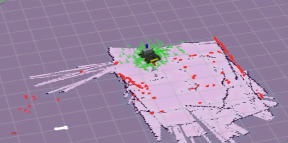
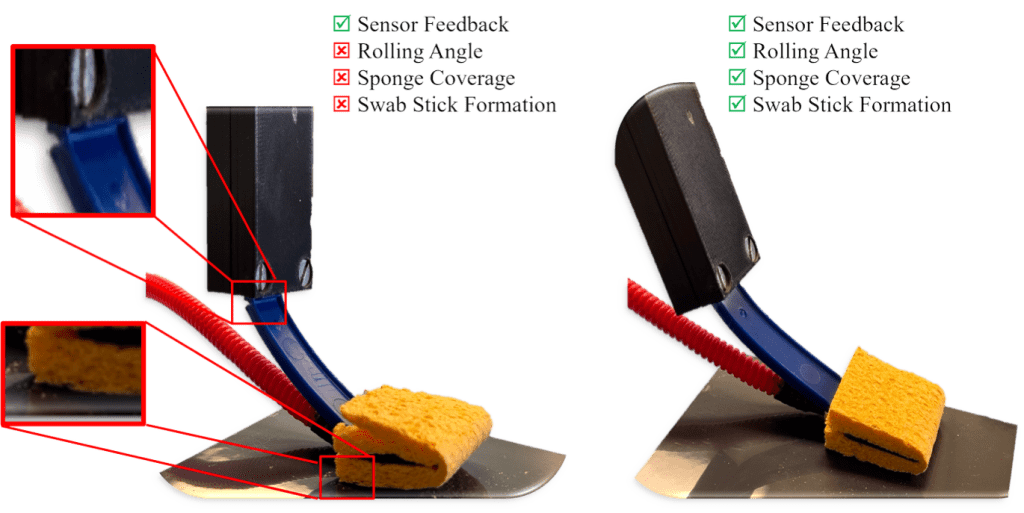
Autonomous Mobile Swabbing Platform for Visualizing Bacterial Mapping in Poultry Processing Facility
ActiveFunded by: USDA NIFA
Motivation
In the poultry processing facility, visualizing the bacterial mapping can better guide the sanitization protocols and understand pathogen transmission patterns. The autonomous mobile swabbing platform can quickly screen the facility in a high-throughput, and routine manner, which can effectively improve food safety and current protocols to meet the stakeholder needs.
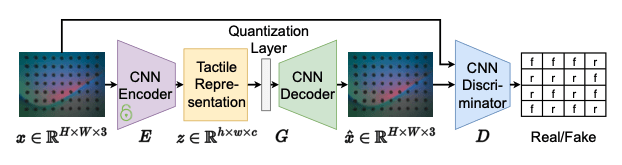
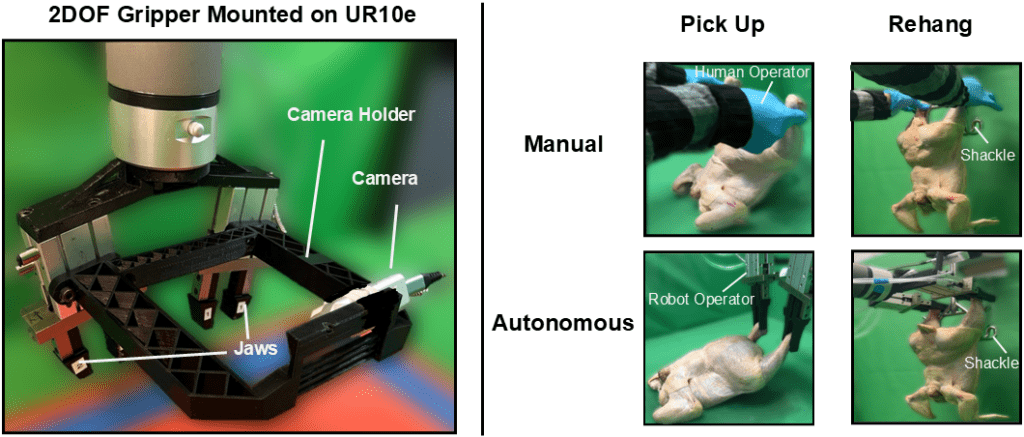
Visual-Tactile Sensor Guide Control for High Throughput Chicken Picking and Loading
ActiveFunded by: NSF NRI 3.0/USDA NIFA
Motivation
In the poultry supply chain, the poultry processing industry plays an important role in preparing disinfected and marketable chicken and value-added chicken products. During the COVID-19 pandemic, the poultry industry is suffering from unprecedented challenges of the labor force, food safety, and supply chain robustness, which motivates this proposal to seek alternative smart and automated solutions to the existing workflow for meeting the industrial long-term needs.
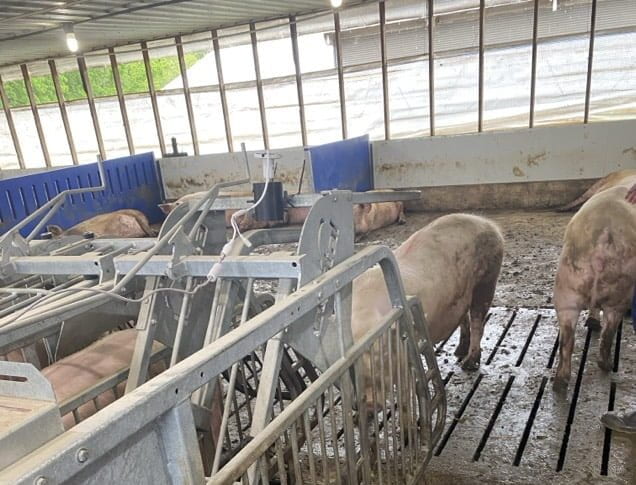
Camera-Based Precision Animal Management Solutions
ActiveFunded by: Arkansas Research Alliance (ARA)
Motivation
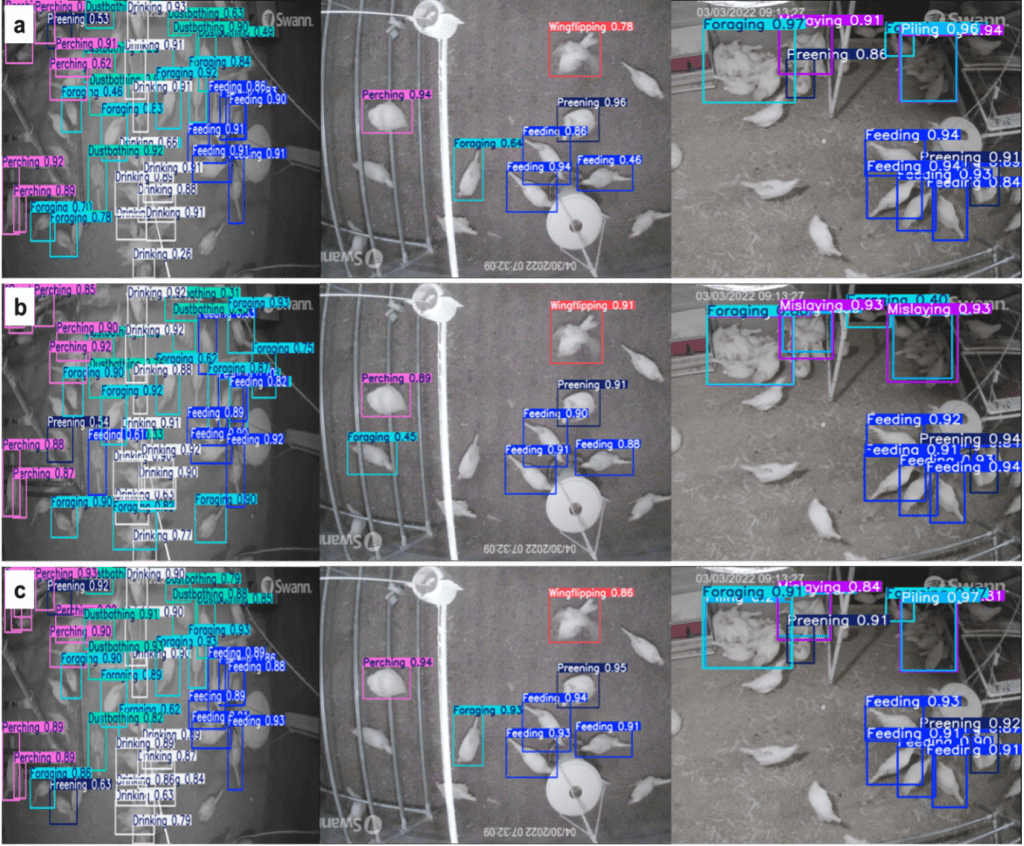
Establish the preliminary precision sow management practices and infrastructure in the State of Arkansas. Via integrative collaboration with the industry, the team will build an intelligent vision system and utilize the vision outputs to optimize the animal feeding and management protocols.
Quantitatively Understand Spectral Signals for Reliable Bioproduct Quality and Nutrition Estimation
ActiveFunded by: USDA AFRI, UADA, SRSFC, Arkansas Rice Board
Motivation
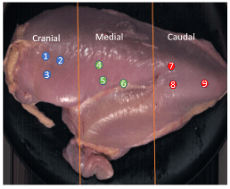
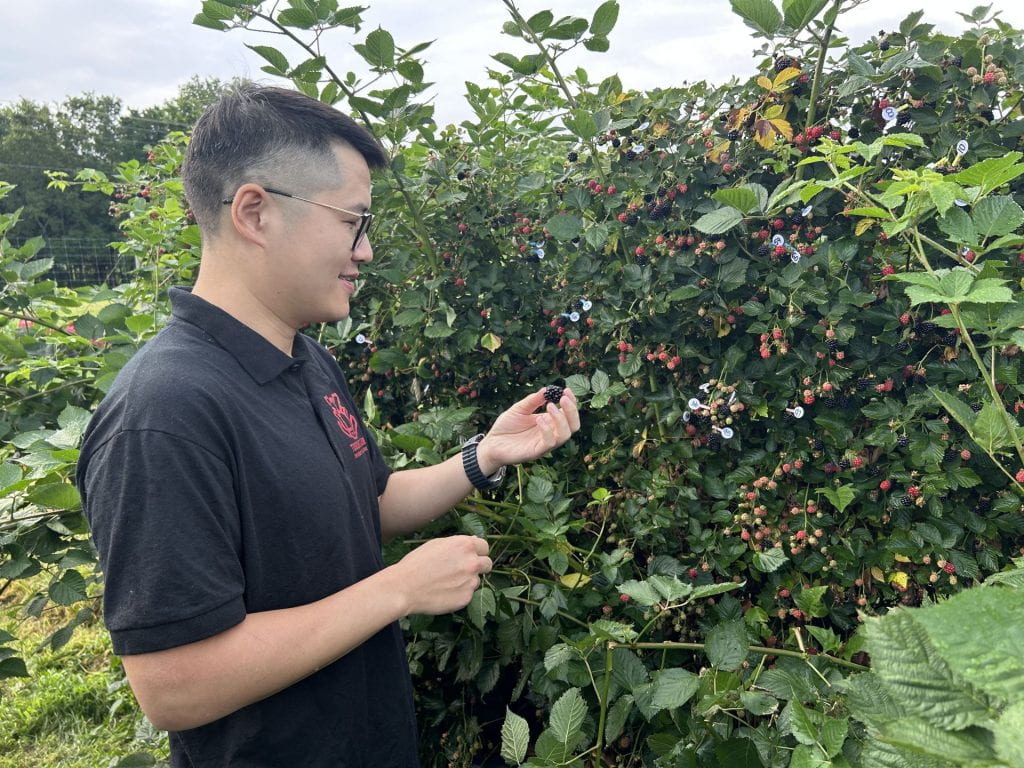
Hyperspectral imaging techniques have been widely applied in remote sensing and precision agricultural applications. Transferring this non-invasive method from a qualitative analysis tool to a reliable quantitative tool is expected to expand its application scope.
✅ Completed Projects
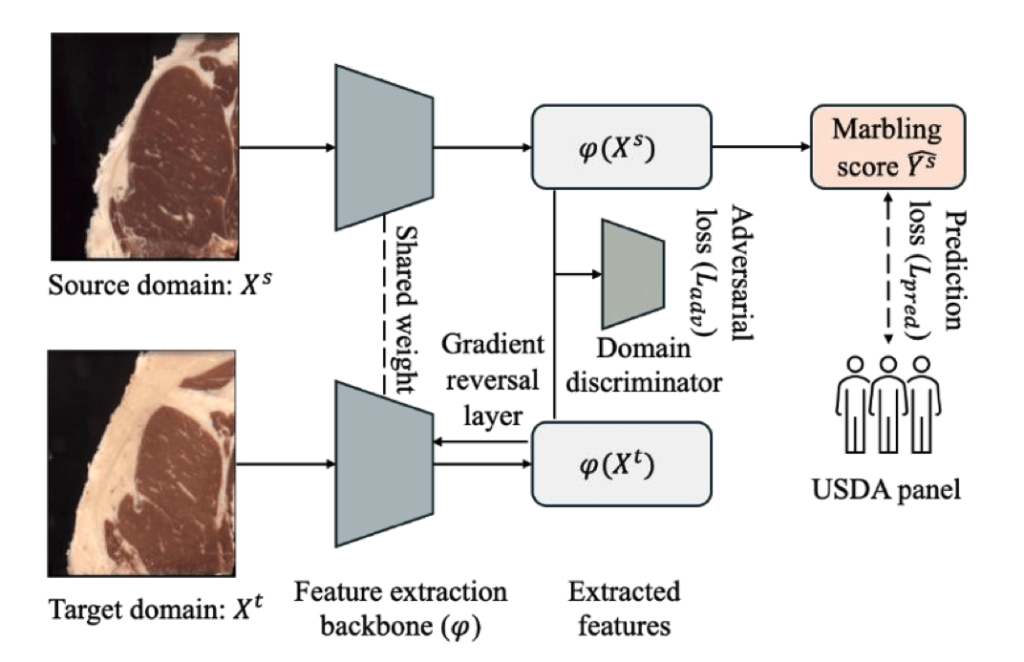
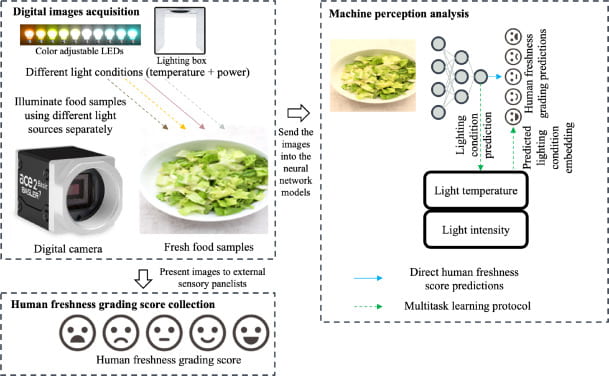
Illumination Robust Computer Vision Model for Agricultural Applications
CompletedFunded by: NSF DART, USDA AMS
Motivation
Most of the current imaging studies rely on human perceptions as the ground truth to train and evaluate model performance. However, in many real-world cases, human perception is not always reliable, and people may not be able to believe what they have seen. In these situations, mathematical models built upon simple human perceptions cannot accurately reflect essential characteristics of items. Thus, there is an urgent need to understand the illumination effect on human and computer perceptions to build reliable deep learning models to prevent ulterior motives in manipulating model functionalities.